Should You Renovate, Build an Addition, or Build a New Custom Home?
What a great and important question to consider!
As your family's needs change, your home may no longer fit the way you live. Maybe your kitchen feels too small, you're working from home more often, or your family has simply outgrown the space.
At that point, many homeowners ask the same question: Should we renovate, build an addition, or start over with a new custom home?
The answer depends on your home's condition, your property, your budget, and your long-term goals. Understanding the advantages and limitations of each option can help you make an informed decision before investing in your home.
Option 1: Renovate Your Existing Home
If your home's layout generally works but the finishes, functionality, or overall appearance feel outdated, a renovation may be the right solution. Renovations are often ideal for homeowners who want to modernize their home without increasing its footprint.
Renovations May Be Right If You Want To:
- Update an outdated kitchen
- Remodel bathrooms
- Improve the home's appearance
- Open interior walls
- Replace flooring and finishes
- Improve storage
- Modernize lighting and fixtures
Advantages of Renovating:
- Often the lowest overall investment
- Minimal changes to the home's footprint
- Improves comfort and functionality
- Can increase resale value
- Allows you to remain in your current home
Things to Consider
A renovation doesn't solve every problem.
If your family simply needs more square footage, remodeling existing rooms may not create the additional space you're looking for.
Option 2: Build a Home Addition
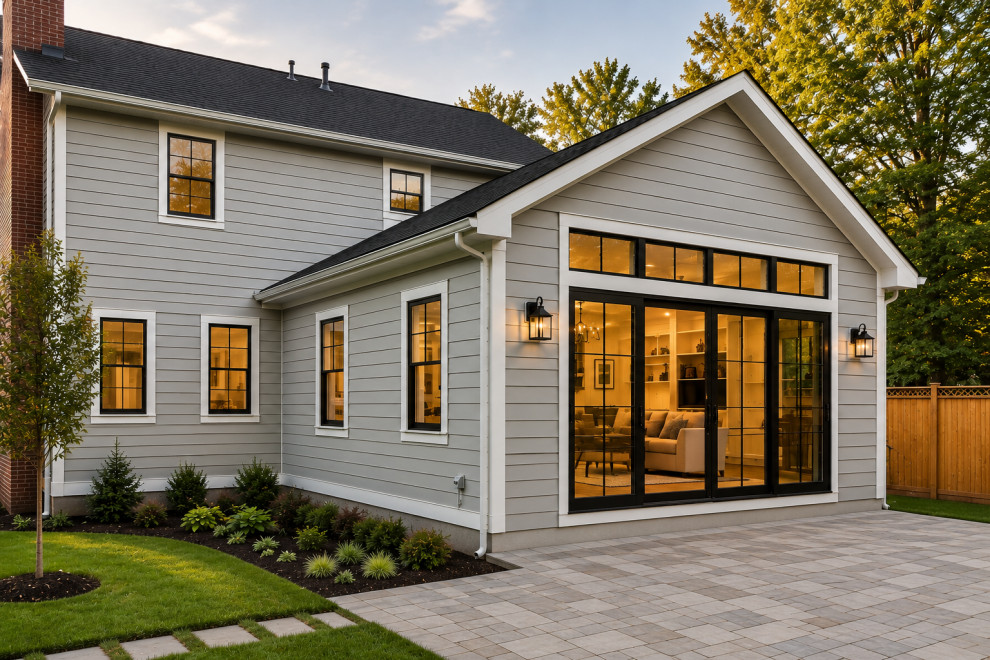
If you enjoy your current home and neighborhood but need additional living space, a home addition can provide the flexibility your family needs without requiring a move.
A well-designed addition should feel like it has always been part of the original home.
Home Additions Are Ideal For:
- Growing families
- First-floor primary suites
- Larger kitchens
- Family rooms
- Home offices
- In-law suites
- Bonus rooms
Advantages of Building an Addition:
- Gain valuable square footage
- Stay in the neighborhood you love
- Customize the new space around your lifestyle
- Increase property value
- Preserve the investment you've already made in your home
Things to Consider:
Every addition requires thoughtful planning.
Factors such as lot size, setbacks, existing utilities, structural conditions, and local permitting requirements can all influence design and construction.
Working with your builder early helps identify these factors before construction begins.
Option 3: Build a New Custom Home
Sometimes the best solution isn't changing the existing home at all.
If your current property no longer meets your needs—or you've always dreamed of building exactly what you want—a custom home may provide the greatest long-term value.
A Custom Home May Be the Right Choice If:
- Your current floor plan cannot reasonably be improved
- Major structural work would be required
- You want complete design freedom
- You're building on family land
- You're purchasing a new homesite
- Your long-term needs have changed significantly
Advantages of Building New:
- Complete design flexibility
- Modern layouts
- Energy-efficient construction
- Lower long-term maintenance
- Personalized finishes and features
- Built around your lifestyle from the beginning
Things to Consider:
Building a custom home generally requires the largest investment and the longest timeline, but it also offers the greatest opportunity to create a home specifically tailored to your family.
Questions to Ask Before Deciding
Before choosing a path, consider the following:
- Does my current home have enough room to expand?
- How long do I plan to stay here?
- Is my current location ideal?
- What is my realistic budget?
- Would an addition solve the problem?
- Is the existing home's structure worth investing in?
- Would starting over create better long-term value?
Answering these questions can help clarify which option best fits your goals.
Why Planning Matters
Whether you're renovating, building an addition, or constructing a custom home, the most successful projects begin long before construction starts.
A thorough planning process helps homeowners understand:
- Budget expectations
- Site conditions
- Design opportunities
- Construction timelines
- Potential challenges
- Long-term investment value
Taking time to evaluate your options early often leads to better decisions and a smoother building experience.
How Lakewood Custom Builders Helps
At Lakewood Custom Builders, we don't believe every homeowner needs the same solution. Some projects are best served with a renovation.
Others benefit from a thoughtfully designed addition. And sometimes, building a new custom home simply makes the most sense.
Our goal is to understand your family's needs, evaluate your property, discuss your budget, and help you choose the option that delivers the greatest long-term value—not just the biggest project.
Final Thoughts
There isn't a single answer that's right for every homeowner. The best choice depends on your home, your property, your finances, and how you plan to live in the years ahead.
Whether you're considering a renovation, home addition, detached garage, ADU, or a completely new custom home, taking time to evaluate your options before construction begins can save both time and money.
If you're exploring your next project in Central Virginia, Lakewood Custom Builders would be happy to help you weigh the pros and cons of each approach and develop a plan that's right for your home and your family.